Increase profitability by 23%
 Boost productivity by 21%
 Increase profitability by 23%
Boost productivity by 21%
Increase profitability by 23%
Boost productivity by 21%
A quick insight: “You said, we did” campaigns link employee feedback directly to organisational action. By showing what was raised and how leaders responded, they build trust, boost survey participation and demonstrate meaningful change. This blog explores why they matter, how to communicate them effectively and how to make them part of everyday culture.
When employees take the time to give feedback, they want to know it makes a difference.
Too often, employee surveys and listening exercises end with silence, leaving employees to wonder if their opinions were taken seriously. That’s where “You said, we did” campaigns come in. They provide a simple but powerful way to show that feedback has been heard and acted upon.
A well-designed “You said, we did” approach can boost confidence in leadership, encourage greater participation in future surveys, and demonstrate an organisation’s commitment to meaningful change. Far from being a one-off communication, these campaigns can transform how employees see their role in shaping the workplace.
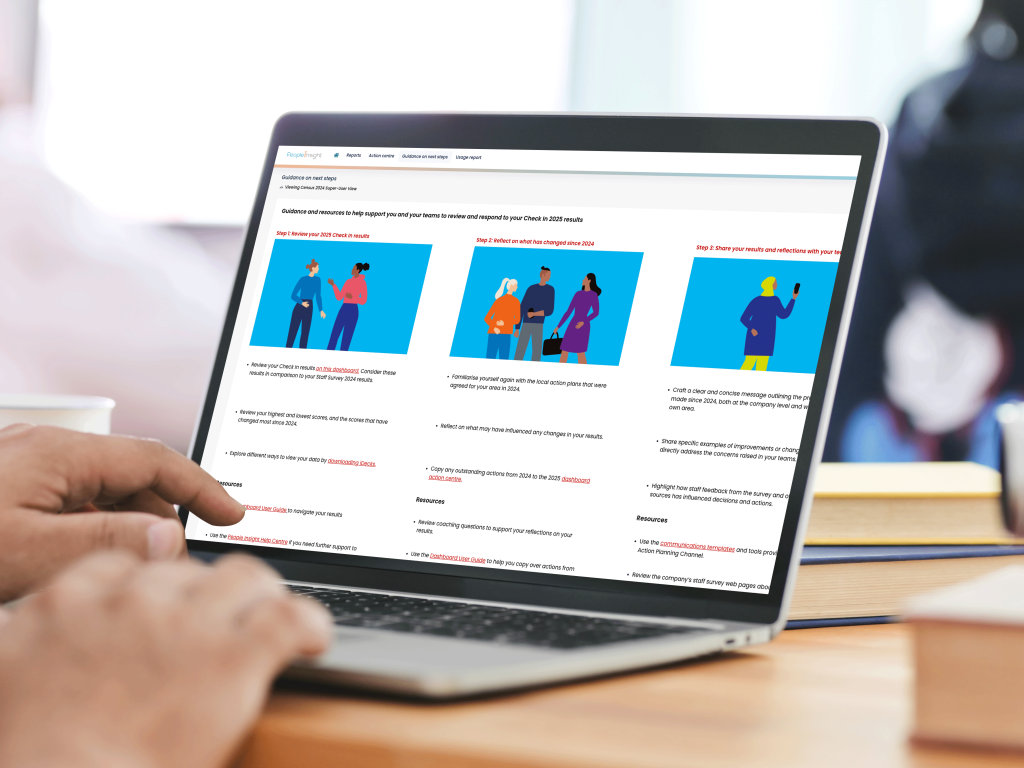
Related: How King’s College London turned results into action with outstanding comms
“You said, we did” campaigns are a structured way of closing the feedback loop with employees. At their heart, they show two things:
Some organisations also add a third step, such as Next steps, which acknowledges ongoing work. This format makes the link between employee sentiment and organisational action visible, direct and transparent.
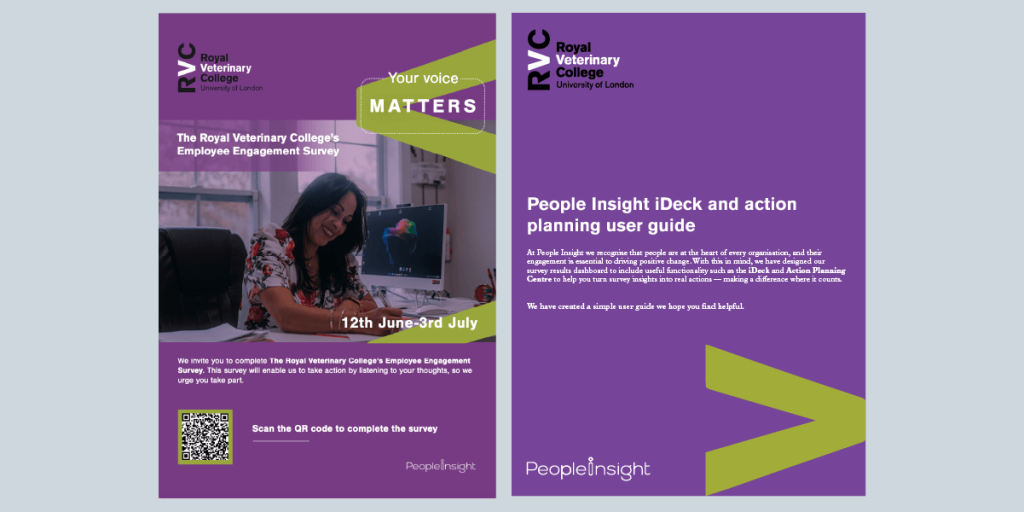
Survey fatigue is a real risk. Employees may stop responding to engagement surveys if they feel their input disappears into a black hole.
The CIPD highlights that when employees feel their opinions shape real decisions, they are more engaged. Voice must be more than communication-only, it needs follow-through
By adopting a “You said, we did” approach, organisations show that surveys are not just data collection exercises, but drivers of meaningful change. This helps to:
When employees see that their voice leads to tangible change, it strengthens trust, motivation and commitment. A “You said, we did” campaign makes that link visible.
Research from the CIPD highlights that employee voice has the greatest impact when it influences real organisational decisions. When employees feel heard, they are more engaged and more willing to share feedback in the future.
The outcomes can be powerful:
The principle is simple: when employee sentiment is acknowledged and translated into action, organisations see measurable improvements in engagement and morale.
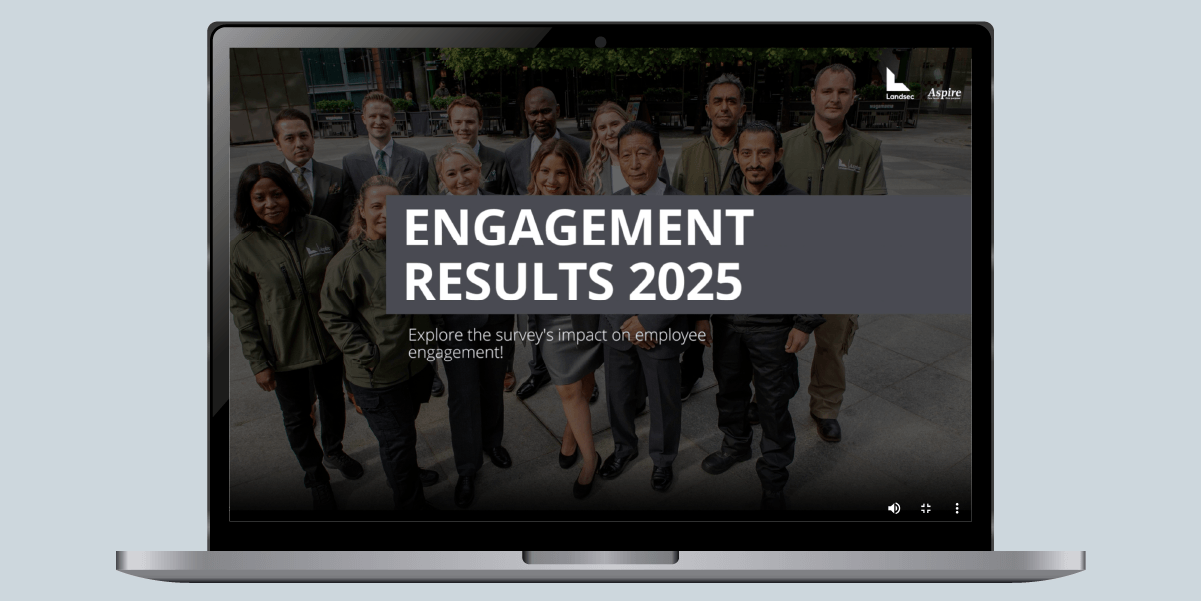
An effective “You said, we did” campaign is not just about actions taken but how those actions are communicated. The goal is to be specific, visible and authentic.
For example:
This style avoids vague promises and instead presents a clear chain from feedback to action. Effective campaigns also:
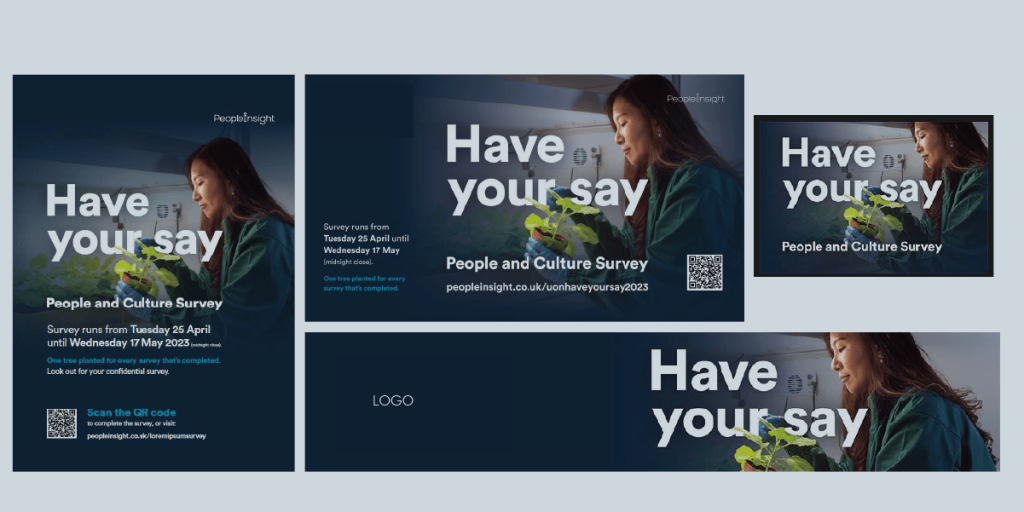 How to communicate “You said, we did”
Communication style matters as much as the actions themselves. Here are some practical considerations:
Infographics or posters that present “You said” on one side and “We did” on the other make the message clear and memorable.
Email updates, town halls, intranet posts and physical posters in workplaces all help reach different audiences. Hybrid workers in particular may need digital-first communication to feel included.
While organisation-wide updates are valuable, local managers should also run “You said, we did” sessions tailored to their department. This connects survey results directly to employees’ daily experience.
If certain issues cannot be resolved immediately, acknowledge them. Employees value honesty over silence. A line such as, “You said pay benchmarking is a concern. We are reviewing this area and will update you in the next quarter,” maintains credibility.
It’s tempting to equate the number of actions taken with progress, but “You said, we did” campaigns show that quality and relevance often matter more. One well-targeted action — like updating job descriptions to reflect responsibilities accurately — can make a bigger difference than a dozen generic initiatives.
This insight is supported by organisational behaviour research, which finds that visible, context-specific changes are most effective in shifting employee sentiment. For HR leaders, this means guiding managers to focus on actions that resonate directly with their employees rather than chasing volume.
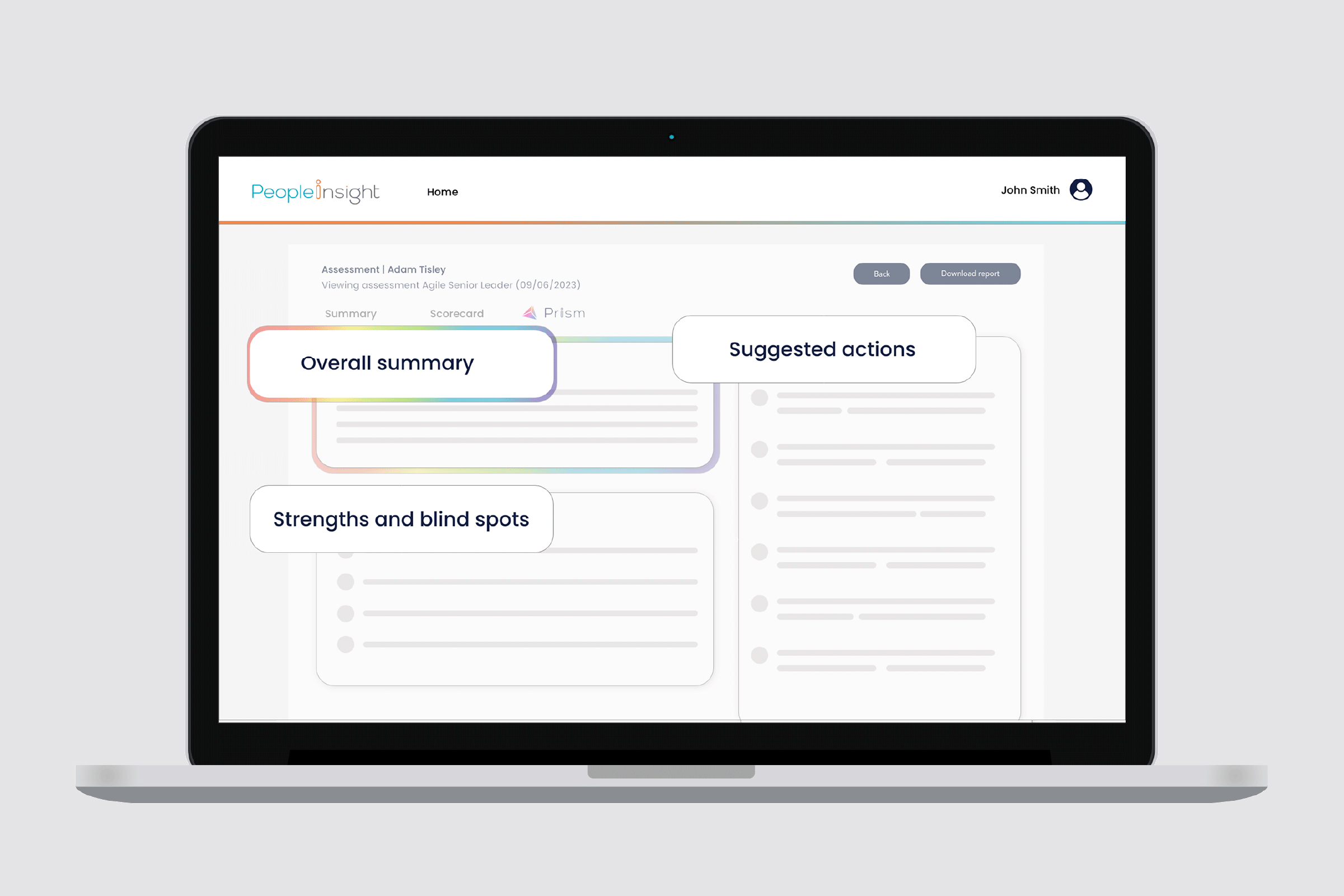
Local managers are often the ones tasked with action planning after surveys. Yet not all feel confident in how to prioritise, communicate or follow through. Providing them with structured support is key. Tools like Prism can help managers understand the context behind survey scores, compare their cohort with wider organisational data and identify which actions will have the most impact.
By giving managers both insight and guidance, organisations can build confidence and consistency in how survey results are acted upon. This strengthens the effectiveness of “You said, we did” campaigns and builds a culture where feedback drives meaningful change.
With hybrid working on the rise and employee expectations shifting, listening alone is not enough. Employees want to see their voices reflected in action, whether that means improved recognition, career opportunities, or wellbeing initiatives. A thoughtful “You said, we did” campaign provides that visibility, helping employees feel valued and demonstrating that leadership is serious about creating a better workplace.
When action planning is transparent and inclusive, the benefits extend beyond the immediate issues raised. Trust builds, engagement grows, and the organisation signals that employee sentiment is a driver of strategy, not an afterthought.
The most impactful “You said, we did” campaigns do more than summarise survey results. They build a bridge between listening and action, showing employees that their voices lead to meaningful change. This approach reinforces trust, strengthens engagement and makes employee listening a continuous, credible cycle.
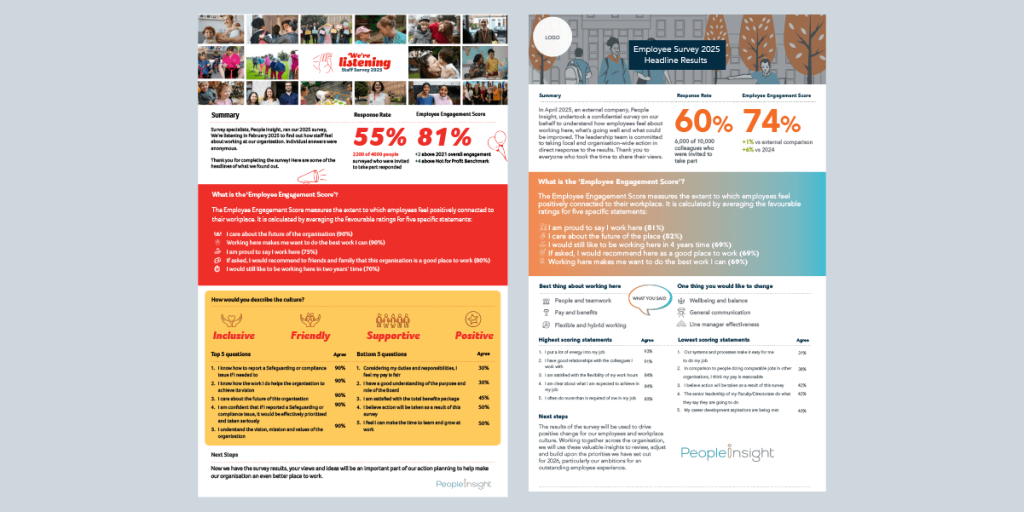
Want to create a powerful “You said, we did” campaign in your organisation? Our survey consultants and comms team are there to help you deliver impactful campaigns for better engagement. Get in touch today to see how People Insight can help you bring employee voice to life.
Related content:
All about you said, we did campaigns
How to use a climate survey to boost company performance
How to use a local action plan to enact meaningful change
The complete guide to running a teacher survey
Aligning employee surveys with strategic planning
Get strategic with employee listening through people analytics
Employee engagement platform comparison guide
How to write your own employee survey questions