



















A quick run down on all you need to know
An employee value proposition is the mix of benefits, opportunities, support and experience an employee receives in return for their work. It includes pay, benefits, development, culture, flexibility and the wider experience of being part of an organisation.
EVP stands for employee value proposition.
The terms are often used interchangeably. Employee value proposition is usually the clearer phrase because it focuses on the value employees receive and experience.
Employee value proposition matters because it shapes attraction, retention, engagement and employer reputation. A strong EVP helps organisations stand out and gives employees clearer reasons to join and stay.
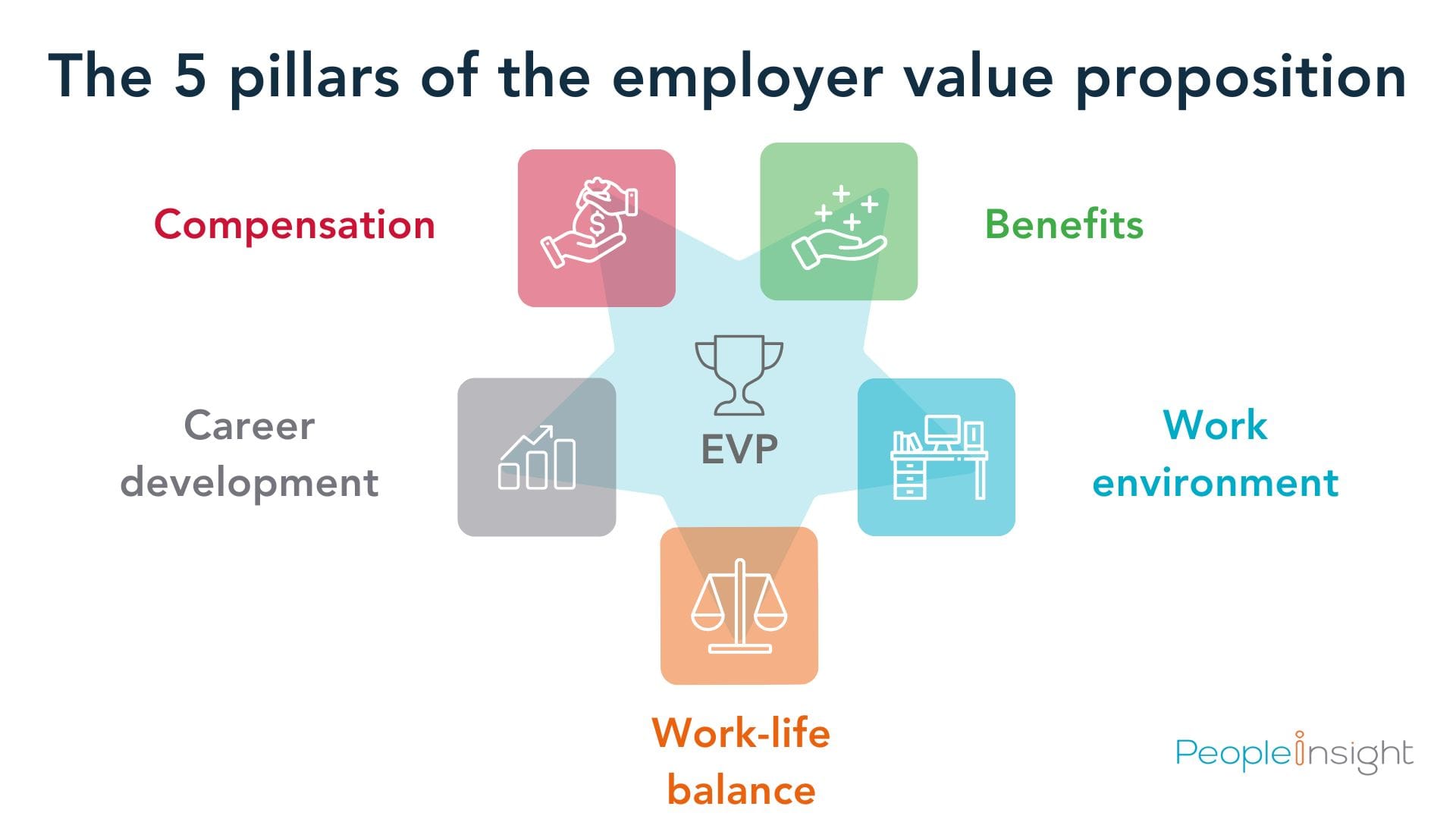
A strong employee value proposition usually includes compensation, benefits, career development, work environment, leadership, flexibility, work-life balance and purpose.
You create an employee value proposition by understanding what employees value, identifying your strengths and gaps, analysing feedback and aligning your proposition with real employee experience. Employee surveys and comments analysis are especially useful here.
Employee surveys help organisations understand what employees value most, where experience is strongest and where there are gaps between what is promised and what is delivered. That makes EVP work more evidence-based and actionable.
Yes. Different employee groups often prioritise different aspects of work. A strong overall EVP should still feel consistent, but it should account for the fact that needs vary by role, career stage and life stage.
EVP is the substance of what employees receive and experience. Employer brand is how that is communicated and perceived.
People Insight helps organisations build a stronger EVP through employee surveys, pulse surveys, comments analysis and Prism. That helps organisations understand what employees value, where experience gaps sit and what actions are most likely to improve the employee experience.