A quick insight: Human in the loop HR AI means AI does the heavy lifting while people keep judgement, context and care. It matters because surveys shape real decisions about employees. This guide shows where agents shine, where experts add value and how to balance speed with confidence.
AI is changing how we work with survey results. It can summarise comments in seconds, spot hidden patterns and even draft action plans. The challenge is knowing how much to hand over and when people need to stay involved.
That is where a human in the loop approach comes in. It keeps people at the heart of decision-making while letting AI take care of the heavy lifting. The technology speeds things up, but humans bring context, empathy and judgement. These are the things that make feedback meaningful and actions fair.
Across our benchmark data, 68% of employees say senior leaders make the effort to listen, yet only 59% believe action will be taken as a result of surveys. That gap shows why a balanced, human in the loop model matters. It helps organisations move from data to decisions that employees can trust.
Related: 10 Pros and cons of AI in the workplace
Human in the loop means agents handle repeatable steps and people steer where nuance matters. Think of it as a relay.
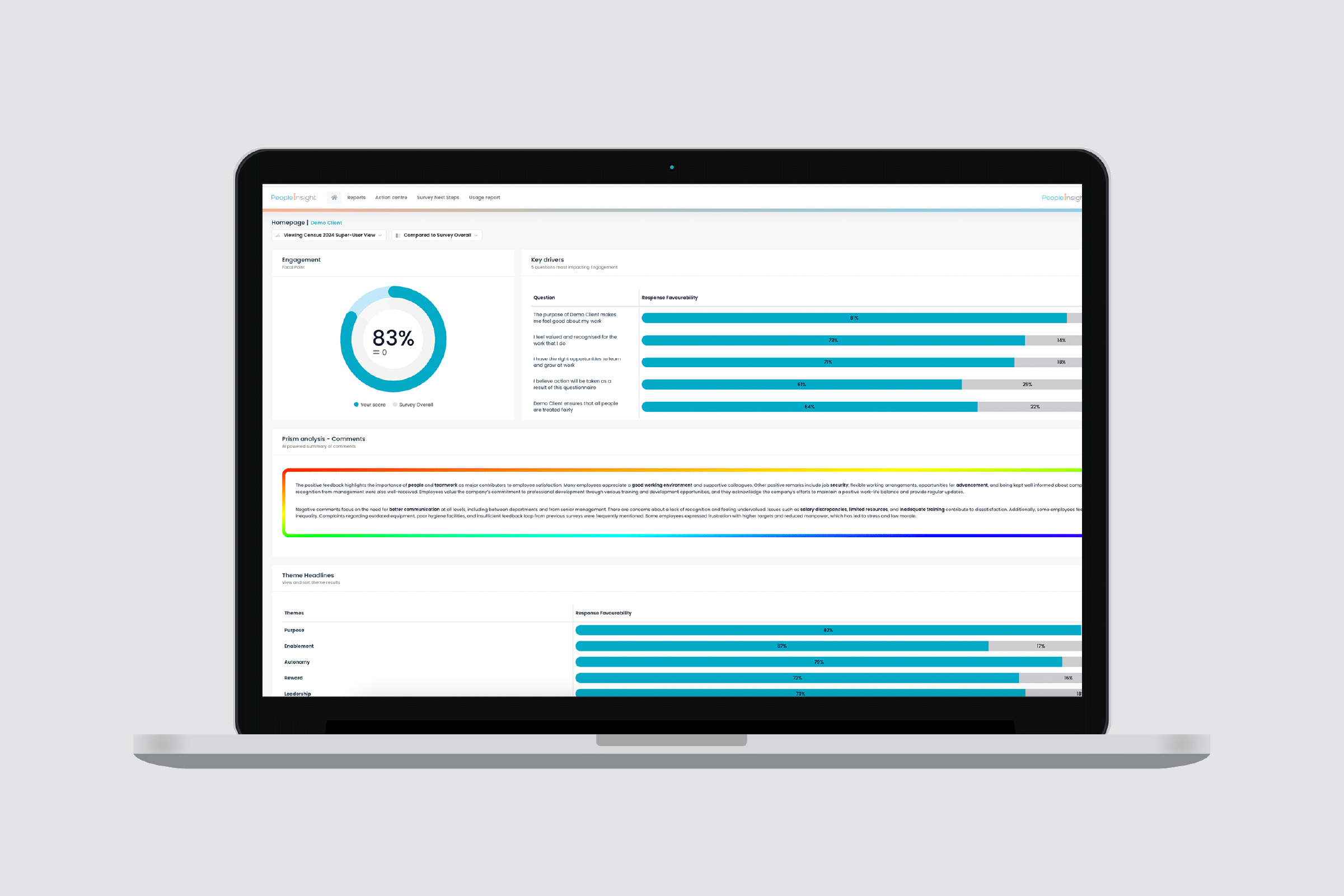
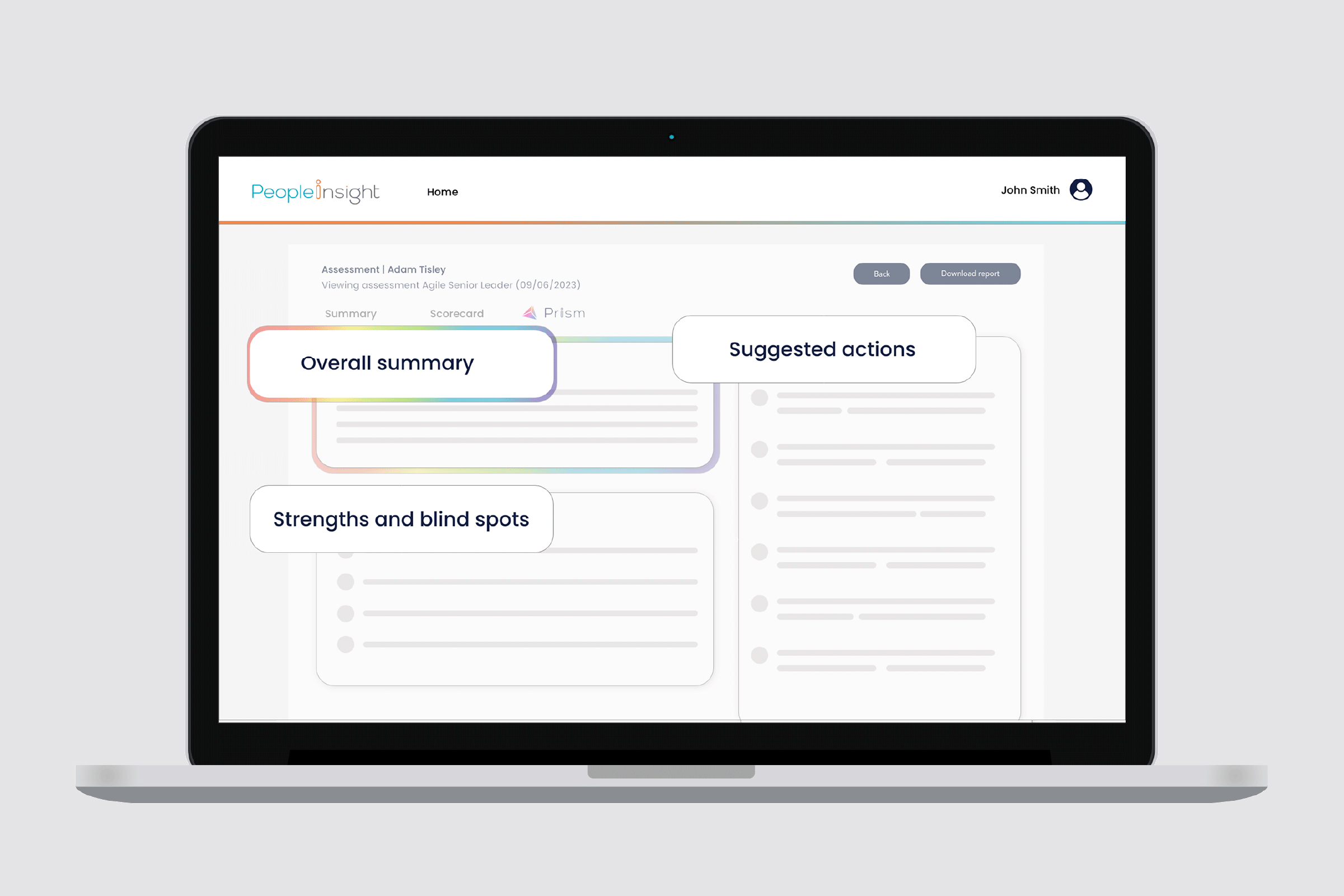
At People Insight, within Prism, our Insight Agent groups comments, summarises themes and highlights likely drivers. The Navigator Agent then proposes a short plan for each manager. Action Agent adds owners and dates. Change Agent keeps momentum with nudges and progress updates.
Then people take over. An HR partner reviews sensitive themes. A head of department rehearses how to share a tough score. A manager runs the conversation, agrees small, visible steps and checks back in with the team.
This balance keeps speed high and decisions grounded. Research from MIT Sloan points to this complementarity — humans add ethics, context and creativity, while AI adds scale and pattern recognition.
Agents shine when the task is heavy on sorting and light on ambiguity. Thousands of survey comments. Repetitive nudges. Tracking progress across departments. That is work AI can handle quickly and consistently.
People add value when meaning is complex or personal. A comment about fairness. A drop in trust. A theme around workload or belonging. Here, expert facilitation and careful wording make the difference between an open conversation and a defensive one.
Harvard Business Review notes that AI still struggles with tacit social cues and ethical judgement, which is why human oversight remains so very important when it comes to people decisions.
Good governance makes human in the loop workable day to day. Role-based permissions so managers only see their own data. Minimum response thresholds to protect anonymity. Approval workflows for sensitive actions.
The Information Commissioner’s Office highlights fairness, transparency and accountability as core principles for AI in people decisions. The UK government’s Algorithmic Transparency Recording Standard builds on that by setting out how to document what a system does and why. Practical guardrails like these strengthen confidence and trust.
Start with a simple promise to employees. You will share what you heard, agree two or three steps per team and give a date for the next update. Use your employee survey platform and agents to carry the load.
Our Insight Agent groups qualitative feedback, identifies sentiment and pulls out representative quotes so leaders see real voices behind the labels. The Navigator Agent then turns those patterns into manager-ready plans with clear priorities and suggested next steps. Managers can lift this wording straight into their updates, saving time and effort.
The Action Agent maps themes to tried actions, assigns owners and sets realistic timelines. The Change Agent keeps things moving, tracking progress and sending timely nudges. Leaders can see where support is needed through a clear view of progress by department or theme. This is how impactful survey results move from data to daily work.
People Insight consultants and coaches review the outputs, prepare leaders for feedback sessions and help them frame the right conversations. CIPD guidance encourages HR teams to build clear policies and transparent oversight when using AI in people work. Human in the loop delivers exactly that — human context and care alongside automation.
Picture a manager sharing results after a busy quarter. They open with thanks, then one short story grounded in a theme. “Many of you mentioned workload pressures, especially around overlapping deadlines.” They outline two changes for the next eight weeks: shorter meetings with clear outcomes, and one shared calendar for key peaks.
Then they ask: “What would make this workable for you next month? What should we drop or adapt?” They finish with a date for the review. The agents made it fast to find the themes and set owners. The human touch kept the tone fair and the dialogue open.
Below are a few of the mos important risks to beware of when you choose to utilise the benefits of AI without keeping people at the centre.
When a feature is easy to use, it can creep into decisions where it does not belong. Keep a clear boundary between what agents handle and where humans must decide.
If you cannot explain how an AI suggestion was made, you cannot defend it. Use explainable outputs and keep a short record. Regulators in the UK and EU continue to stress the importance of transparency where AI influences people’s working lives. This is something employees expect, too.
AI can inherit bias from data. Humans can bring bias through assumptions. Managers can reduce both by asking structured questions about evidence and impact, and by reviewing sensitive segments only where anonymity allows. As Harvard Business School research shows, bias management is an ongoing process, not a one-time fix.
You do not need dozens of metrics. A few clear signals tell the story.
Start small. Choose one survey cycle and one priority theme. Use agents to create manager plans and action cards. Offer light coaching to leaders who will host results meetings. Publish short monthly updates linking actions to employee feedback. Then review what worked and scale up from there.
CIPD’s recent work with employers highlights the importance of policy-backed, practical steps like these for adopting AI in HR responsibly without losing sight of people.
AI can speed up how feedback turns into movement. People keep it fair, grounded and human. Keep humans in the loop and you get the best of both. Faster insights that respect employees. Actionable feedback that leads to meaningful change. And a survey process that builds trust, wave by wave.
Ready to blend agents with expert support in your next survey? Talk to us about an employee survey that combines agentic AI and practitioner coaching. Together, we can create confident conversations, owned actions and visible progress.